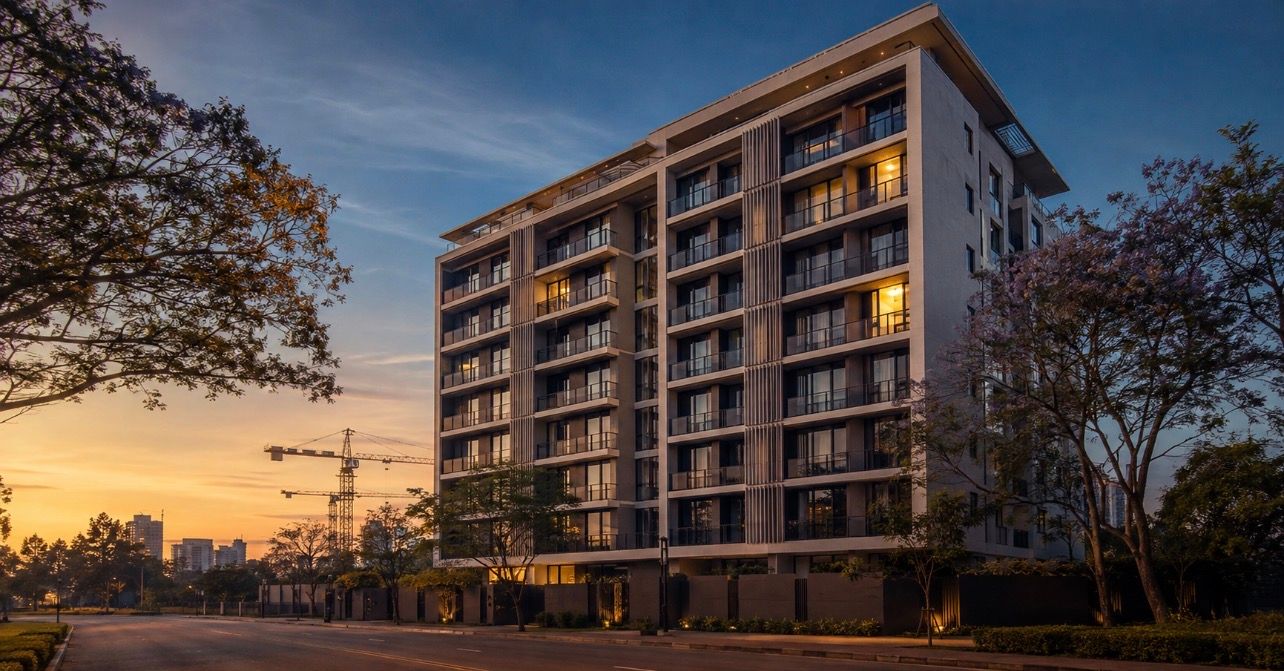
The Complete Guide to Property Developments in Kenya: Off-Plan, Ready, Completed, Stalled & Everything In Between
Someone sends you a listing. The headline says "newly launched off-plan." Another says "near-completion." A third says "ready for occupation." They are all apartments. They all look beautiful in the photos. And you have absolutely no idea which one is safer to buy. You are not alone — and this article is going to fix that.

Every year, thousands of Kenyans — at home and abroad — make property decisions using terms they only half-understand. They buy "off-plan" without knowing what that really means. They get excited about a "master-planned community" without knowing what happens if Phase 1 never finishes. They hear "practical completion" at handover and nod along while secretly wondering what exactly was completed.
This is Kenya's most comprehensive guide to property development terminology. Every stage. Every status. Every term that matters — explained the way a knowledgeable friend would explain it, not the way a legal document would bury it.
This is the guide every other article on the Wande Realty journal links back to. Start here. Build from here.
Market Snapshot (2026)
What Is Happening in Kenya's Property Market in 2026?
The Short Answer
Developers are finishing what they started rather than launching new projects. In 2025, cement consumption rose 21 percent while new building approvals in Nairobi fell 24 percent. The current market has an unusually high number of near-completion and newly completed units — and a shrinking pipeline of genuinely new off-plan launches.
Here is a fact that tells an interesting story. In 2025, cement consumption in Kenya rose by 21 percent. At exactly the same time, the value of new building plan approvals in Nairobi fell by 24 percent — from KSh 221.6 billion in 2024 to KSh 201.3 billion.
More cement being poured. Fewer new buildings being started. What is happening?
Developers are finishing what they started. They are not starting much that is new. As Knight Frank's Charles Macharia put it plainly: "Developers and investors are strategically completing current inventories, indicating a mature response to both global and local uncertainties."
This matters for you as a buyer. Understanding what each development stage means has never been more directly useful.
Key Market Indicators
- −24% — Fall in Nairobi new building approvals, 2025 vs 2024- +21% — Rise in cement consumption in 2025 — developers finishing existing projects- KSh 55–87K — Per square metre construction cost in Nairobi, 2026
The Property Development Journey
What Stages Does a Property Development Go Through in Kenya?
The Short Answer
A Kenyan residential development passes through 14 distinct stages: from land acquisition through planning approvals, NCA registration, project launch, groundbreaking, construction, practical completion, snagging, Certificate of Occupancy, final handover, and sectional title issuance. Each stage has its own risks and documentation requirements. As a buyer, knowing which stage a project is at tells you exactly how much risk you are carrying.
Picture a plot of land in Kileleshwa. Right now, it has a fence around it, a few old trees, and a bungalow that has not been lived in for years.
A developer buys it. Architects draw plans. The county approves them. The NCA registers the project. A marketing agency creates a CGI render of what a twelve-storey apartment block will look like on this spot.
Sales begin. You see the listing. You are looking at an off-plan project.
Three years later, the building is complete, the occupation certificate is issued, sectional titles are registered, and someone moves in with a title deed bearing their name.
Between those two moments, a lot can go wrong. Or right. Knowing what each stage looks like is how you tell the difference.
Stage 01 · Land Acquisition
What happens
The developer secures the land — through purchase, long lease, or joint venture.
Why it matters
The title deed must be clean: no disputes, no court caveats, no unpaid charges. A cloudy title at Stage 01 poisons every stage that follows.
What buyers should verify
- Check the title on Ardhisasa before you commit to anything- Confirm the registered owner matches the developer- Look for mortgages, caveats, and court cautions
Stage 02 · Architectural Design
What happens
A registered architect draws floor plans, elevations, sections, and structural drawings.
Why it matters
The quality of design determines buildability, compliance, and ultimately liveability.
What buyers should verify
- Ask who the architect is- Verify their registration with the Architectural Association of Kenya (AAK)
Stage 03 · County Planning Approval
What happens
The architect submits plans to the county government. The county checks that the proposed building is consistent with zoning regulations — height, setbacks, use type.
Why it matters
Without approved and stamped plans, no legitimate construction can begin.
What buyers should verify
- Ask for a copy of the architectural plans with the county stamp- Verify that the building being constructed matches the approved plans — number of floors, unit sizes, setbacks- Read our guide to Nairobi's new zoning rules for the full picture
Stage 04 · NCA and NEMA Clearance
What happens
The National Construction Authority (NCA) must register the project and the contractor. NEMA clearance is required for larger developments.
Why it matters
NCA registration costs the developer 0.5% of construction cost. County permits cost roughly 1%. No NCA registration means the project is not legally recognised.
What buyers should verify
- Ask for the developer's NCA registration number and the project registration certificate- Verify at nca.go.ke- The contractor building your unit must also be NCA-registered for the class of building being constructed
Stage 05 · Project Launch and Pre-Sales
What happens
The developer begins marketing. The building may exist only as approved plans and an excavated site.
Why it matters
Buyers at this stage are taking the most risk and should receive the lowest prices — typically 15 to 25% below what the finished unit will sell for.
What buyers should verify
- Confirm all Stage 01 through Stage 04 documentation is in place before paying- Be wary of projects marketing before approvals are complete
Stage 06 · Groundbreaking and Foundation
What happens
Excavation begins. Foundation piling or slab poured. Physical work is now visible.
Why it matters
This is the first point where you can physically verify progress against plans.
What buyers should verify
- A credible developer at this stage should be able to show you approved building plans, NCA registration certificate, and the title deed — all simultaneously- If any one of these is absent, pause
Stage 07 · Superstructure Construction
What happens
Columns, beams, and floor slabs rise storey by storey.
Why it matters
This is the longest and most cash-intensive phase. Projects funded primarily through off-plan sales are most vulnerable to stalling here — if sales slow, so does construction.
What buyers should verify
- Ask: "Does the developer have a construction loan separate from off-plan sales revenue?"- Visit the site monthly if possible
Stage 08 · Fit-Out and Finishing
What happens
Plumbing, electrical, tiles, plastering, painting, kitchen fittings, and external works.
Why it matters
This phase can take 6 to 12 months in a mid-size Nairobi development. It is when the building transitions from a construction site to something resembling a home.
What buyers should verify
- Compare finishes to what was promised in the sale agreement- Photograph everything during site visits
Stage 09 · Practical Completion
What happens
The building is substantially finished. The architect issues a completion certificate. Minor defects may remain but the building is ready for inspection.
Why it matters
This is when developers typically notify buyers to prepare for handover. The Defects Liability Period (DLP) starts here.
What buyers should verify
- Request the architect's completion certificate- Understand that minor defects are expected at this stage
Stage 10 · Snagging
What happens
You or an independent surveyor inspect the unit and compile a snag list: a badly-laid tile, a door that does not close properly, a dripping tap, an unpainted wall.
Why it matters
The developer must fix every item before you accept handover. Never accept keys before a snagging inspection.
What buyers should verify
- Walk through the unit systematically- Test every tap, every light switch, every door and window- Check every tile and every painted surface- Compile a written list
Stage 11 · Certificate of Occupancy
What happens
The county government inspects the completed building and issues a Certificate of Occupancy — proof that the building is safe to live in.
Why it matters
No bank will finance a purchase without this. No serious landlord should rent without this.
What buyers should verify
- Ask for it. Always.- Do not accept handover without it- If the developer says "it is being processed," do not pay the final installment until it is in hand
Stage 12 · Final Handover
What happens
You pay the final balance. You receive the keys. A handover certificate documents the unit's condition.
Why it matters
This is the moment possession legally transfers to you.
What buyers should verify
- Do not sign the handover certificate without noting every defect- Once you sign without noting a defect, it becomes very hard to get it fixed at no cost
Stage 13 · Sectional Titles Issued
What happens
The developer registers a sectional plan at the Land Registry. The mother title is closed and replaced by individual titles for each unit. Your lawyer lodges the transfer. You receive a sectional title deed in your name.
Why it matters
This is your legal proof of ownership. Do not accept anything else.
What buyers should verify
- Your lawyer must confirm that the transfer of your specific unit to your name is properly lodged at the Land Registry- Get the post-transfer Ardhisasa search showing your name as registered owner- A receipt and keys are not proof of ownership. A registered title deed is.
Stage 14 · Property Management Begins
What happens
The Management Corporation (MC) forms automatically under the Sectional Properties Act 2020. It takes over maintenance of common areas and collects service charges.
Why it matters
This is your recurring obligation for as long as you own the unit.
What buyers should verify
- Ask for the Management Corporation's most recent service charge schedule and audited accounts- For everything you need to know about service charges and what happens when you do not pay, read our complete guide to service charge in Kenya
Key Takeaways
- A Kenyan residential development passes through 14 distinct stages from land to management handover- Each stage has its own risks and documentation requirements- Knowing which stage a project is at tells you exactly how much risk you are carrying- Never pay before verifying title, NCA registration, and county-approved plans
Understanding Every Project Status
What Do the Different Property Project Status Terms Mean in Kenya?
The Short Answer
Kenyan developers and agents use terms like "off-plan," "near-completion," "stalled," and "ready for occupation" to describe where a project stands in its lifecycle. Each status carries a different level of risk, a different price point, and requires a different set of due diligence checks. Understanding all of them is essential before you commit any money.
Off-Plan Project
What it means
You are buying a unit that does not yet exist as a finished structure. Sales begin from architectural drawings, CGI renders, or a partially built site.
Why buyers choose it
The price is typically 15 to 25 percent below what the finished unit will sell for — because you are compensating the developer for early capital and accepting the risk that the project delivers as promised.
Biggest risks
Developer delays, construction quality, and project completion.
Best for
Patient long-term investors with high confidence in the developer.
What buyers should do
Off-plan is not inherently dangerous, but it is entirely dependent on the developer's credibility, financial health, and track record. Verify everything.
Pre-Launch
What it means
Before public sales begin. A small group — usually agents, chamas, or the developer's known investors — get a first look.
Why buyers choose it
Prices can be the lowest available.
Biggest risks
Risk is highest because the least documentation exists at this stage.
Best for
Insiders with direct developer relationships and high risk tolerance.
Soft Launch
What it means
The project is available but marketing is quiet — a small event, targeted invites, initial agent releases.
Why buyers choose it
The developer is testing the market. Some early-bird prices still available here.
Biggest risks
Limited public track record at this stage.
Best for
Buyers who move fast and have done their due diligence.
Hard Launch (Official Launch)
What it means
Full public marketing. Billboards, press ads, social media campaigns.
Why buyers choose it
This is usually when developers offer their most structured pricing tiers and payment plans.
Biggest risks
After a successful hard launch, prices often step up in phases as unit allocations fill.
Best for
Buyers who want structured payment plans and clear documentation.
Near-Completion Project
What it means
Construction is almost done — possibly final fit-out, finishes, or external works. Completion is measured in months, not years.
Why buyers choose it
Near-completion projects offer a meaningful price advantage over fully completed stock, with significantly lower risk than early off-plan.
Biggest risks
Remaining construction and approval delays.
Best for
Buyers who want to visit the site, see the quality of construction firsthand, and make an informed decision before committing.
Completed Project
What it means
Construction is finished. The building physically exists.
Why buyers choose it
You can walk through the actual unit before signing. What you see is what you get — no renders, no promises.
Biggest risks
The price is higher than off-plan, but the certainty is worth it.
Best for
Buyers who cannot easily travel to Kenya to monitor progress, or anyone needing certainty.
Ready for Occupation
What it means
Completed plus all approvals in hand — the Certificate of Occupancy has been issued, utilities are connected, and the building is legally cleared for habitation.
Why buyers choose it
This is the safest stage to buy a physically inspectable unit. Banks finance these most readily.
Biggest risks
Minimal. Standard purchase due diligence still applies.
Best for
Diaspora buyers who cannot frequently travel to Kenya. Ready-for-occupation stock removes the largest category of risk.
Sold-Out Project
What it means
All units in this project or phase have been sold.
Why it happens
Can be a positive signal — strong demand means the developer was well-funded by pre-sales.
Biggest risks
Can also be a risk signal — a developer who sells out early sometimes slows down once the financial pressure of sales targets is removed.
Best for
Understanding market demand, not necessarily buying.
Delayed Project
What it means
Behind schedule. Still active — workers are on site, materials are arriving — but the original completion date has passed or been revised.
Why it happens
Some delay is normal in Kenyan construction (allow 3 to 6 months of buffer).
Biggest risks
Repeated delays without credible explanation are the first signal of a deeper problem.
What buyers should do
Ask for a revised construction programme in writing. Review the delay penalty clause. Monitor closely.
Stalled Project
What it means
Work has stopped. The construction crew is gone. The site is quiet. The developer may still be communicating — promising a restart, citing "temporary cashflow issues" — but no physical progress is happening.
Why it happens
Cashflow problems, cost escalation, or deeper financial distress.
Biggest risks
High risk of permanent abandonment if not resolved quickly.
What buyers should do
If a project has been quiet for three months with no verifiable progress update, treat it as stalled and get legal advice immediately. Do not pay any further installments until the situation is resolved.
Abandoned Project
What it means
Construction has permanently stopped. The developer may be insolvent, have disappeared, or be under legal proceedings.
Why it happens
In Kenya, abandoned projects most commonly result from developer fraud, insolvency after misappropriated deposits, or land disputes that resulted in court injunctions.
Biggest risks
The partial structures left behind are sometimes called "white elephant projects." Recovery is possible but slow and expensive.
What buyers should do
Lawyer up. Explore court-ordered receivership. Connect with other buyers for collective action.
Phased Development
What it means
A large project broken into sequential phases — Phase 1, Phase 2, Phase 3 — each with its own construction timeline, sales launch, and completion date.
Why buyers choose it
A Phase 2 buyer has more evidence to review — they can see what Phase 1 actually looks like before committing.
Biggest risks
Later phases may not deliver if earlier phases underperform commercially.
What buyers should do
Always ask which phase your unit is in.
Mixed-Use Development
What it means
A project combining residential units with commercial or retail space.
Why buyers choose it
The rise of mixed-use architecture in Nairobi's prime suburbs has transformed streets in Kilimani and Westlands.
Biggest risks
Commercial occupancy can affect residential experience.
Best for
Investors seeking rental premiums because tenants have everything within walking distance.
Master-Planned Community
What it means
A large-scale development planned as a self-contained environment — multiple building types (apartments, villas, townhouses), and shared amenities (schools, malls, parks).
Why buyers choose it
Think of it as a small town built by a private developer. The appeal is a curated lifestyle.
Biggest risks
Later phases may not deliver if earlier phases underperform commercially.
Best for
Families and long-term residents seeking a complete neighbourhood experience.
Key Takeaways
- Each project status carries a different level of risk and price point- Off-plan offers the biggest discounts but the highest risk- Ready-for-occupation stock removes the largest category of risk- Delayed, stalled, and abandoned projects require escalating legal vigilance- Always verify which phase your unit is in within a phased development
Ownership & Legal Documents
What Is the Difference Between a Mother Title and a Sectional Title in Kenya?
The Short Answer
A mother title is the original land title for the entire plot on which an apartment building is constructed. A sectional title is the individual title deed issued to you for your specific apartment unit once the building is registered under the Sectional Properties Act 2020. The mother title is closed at registration. Your sectional title in your name is the only document that proves you legally own your apartment.
Before a building is registered as a sectional property, the whole development sits on one title held by the developer. This is the mother title. Your lawyer must search it on Ardhisasa before any money moves. A mother title with a mortgage, caveat, or court caution is a serious red flag — it means the developer may not be free to sell or transfer units to buyers.
Once the sectional plan is registered at the Land Registry, the mother title is formally closed. Each unit then receives its own sectional title. Your title includes your unit number, floor area, and your share of common property. Without a registered sectional title in your name, you do not legally own your apartment — regardless of what the developer told you at handover.
What Is the Difference Between Leasehold and Freehold Apartments in Kenya?
The Short Answer
Almost every apartment in Nairobi and Mombasa is leasehold — meaning the building sits on land leased for a fixed term, usually 99 years. Freehold apartments, where you own both the unit and the land outright, are rare in Kenyan cities. Banks typically require at least 30 to 45 years remaining on a lease before they will lend against it.
Leasehold is not a problem if you know what you are buying. The issue arises when an older building has a lease that is running low. An apartment on land with a 1980 lease has roughly 54 years remaining as of today. Some banks will lend on this. Others will not. Check the lease start date and calculate carefully before committing.
Key Takeaways
- Sectional titles — not mother titles — prove ownership- The mother title must be clean before any purchase- Almost every apartment in Nairobi and Mombasa is leasehold- Banks typically require at least 30 to 45 years remaining on a lease
Construction Terminology Explained
What Do Practical Completion, Snagging, and Certificate of Occupancy Mean?
The Short Answer
Practical completion means the building is substantially finished and ready for inspection. Snagging is the inspection you conduct before accepting handover — documenting every defect the developer must fix. The Certificate of Occupancy is the county government's official confirmation that the building is safe and legal to inhabit. Never accept handover without all three of these being properly completed.
Practical Completion
What it means
The building is substantially done — walls up, floors in, plumbing complete — and the architect has issued a completion certificate. Minor defects are expected.
Why it matters
The Defects Liability Period (DLP) begins here, meaning the developer must fix any faults that emerge within the next 12 months at their cost.
Snagging
What it means
Your opportunity to catch faults before you accept the keys. Walk through the unit systematically. Test every tap, every light switch, every door and window. Check every tile and every painted surface. Compile a written list.
Why it matters
The developer must fix everything before you formally accept handover. Once you sign the handover certificate without noting a defect, it becomes very hard to get it fixed at no cost.
Certificate of Occupancy
What it means
The county government inspects the finished building against the approved plans and issues this certificate.
Why it matters
No bank will finance a purchase without it. The building is not legally permitted to be inhabited without it. A developer who tells you the certificate "is being processed" should not receive your final payment until it arrives.
Key Takeaways
- Practical completion triggers the 12-month Defects Liability Period- Never accept keys before a snagging inspection- Never pay the final installment until the Certificate of Occupancy is in hand
Comparing Different Buying Options
Should I Buy Off-Plan or a Completed Apartment in Kenya?
The Short Answer
Off-plan costs less and allows milestone-based payments, but carries developer risk and delivers no rental income until completion. Completed apartments cost more and require full upfront payment, but deliver immediate income and full certainty. Diaspora buyers and first-time buyers should strongly favour completed stock. Patient investors with verified developers may find off-plan's price advantage compelling.
Entry Price
Off-Plan (Under Construction)
Usually sells 15–25% below the expected market value after completion because buyers take on more construction risk.
Completed / Ready
Sells at full market value because the building already exists and can be inspected immediately.
Payment Structure
Off-Plan (Under Construction)
Payments are normally spread across construction milestones, allowing buyers to pay over time.
Completed / Ready
Requires full payment or mortgage financing immediately after purchase.
Rental Income
Off-Plan (Under Construction)
No rental income until construction is complete. Could be 1 to 4 years away.
Completed / Ready
Rental income can begin almost immediately after transfer. Can begin within weeks of purchase.
What You Can Inspect
Off-Plan (Under Construction)
You inspect drawings, renders, and the developer's previous work.
Completed / Ready
You inspect the exact apartment you are purchasing. Walk through it.
Developer Risk
Off-Plan (Under Construction)
Higher developer and construction risk. Delays, cost escalation, fraud can affect delivery.
Completed / Ready
Much lower risk because the building already exists and has been built.
Bank Financing
Off-Plan (Under Construction)
Some banks hesitate for long-timeline off-plan projects.
Completed / Ready
Banks lend readily on completed units with valid occupation certificates.
Best For
Off-Plan (Under Construction)
Patient long-term investors with high confidence in the developer.
Completed / Ready
Diaspora buyers. First-time buyers. Anyone needing certainty or immediate income.
Key Takeaways
- Off-plan offers the biggest discounts but the highest risk- Completed apartments cost more but provide certainty- Diaspora buyers and first-time buyers should strongly favour completed stock- Patient investors with verified developers may find off-plan's price advantage compelling
What Is the Difference Between a Delayed, Stalled, and Abandoned Project?
Delayed
What it means
Behind schedule but still active. Workers remain on site. Construction continues. The developer is communicating with credible updates.
What you should do
Request revised construction programme in writing. Review delay penalty clause. Monitor closely.
Stalled
What it means
Work has stopped. The site is quiet. No verifiable progress for 3+ months.
What you should do
Engage a lawyer immediately. Do not pay any further installments until the situation is resolved.
Abandoned
What it means
Work has permanently stopped. The developer may be insolvent or unreachable.
What you should do
Lawyer up. Explore court-ordered receivership. Connect with other buyers for collective action.
Key Takeaways
- Delayed projects require monitoring and written documentation- Stalled projects require immediate legal engagement- Abandoned projects require collective legal action for any hope of recovery
Why Projects Stall
Why Do Property Developments Stall or Fail in Kenya?
The Short Answer
The most common causes are cashflow problems, cost escalation, land disputes, contractor failure, permit expiry, and developer fraud. Most of these become visible early if you know what to look for. The warning signs are almost always present before a project fails — buyers who spot them early save their money. Buyers who ignore them do not.
In 2016, a state department awarded a contract to build housing in Shimo La Tewa, Mombasa. By 2023, prison warders waiting for the units grew so impatient that they installed their own doors and moved in. There was no water. No electricity. The project had not been formally completed.
The Auditor-General later noted that the National Housing Corporation had unsold completed houses valued at KSh 1.27 billion — built years earlier, sitting empty, because the developer had not managed sales or maintenance.
A project can fail for many reasons. Most of them become visible early — if you know what you are looking at.
Cashflow Problems
The most common cause. Many developers use off-plan sales to fund construction — if sales slow down, so does the building.
What to ask: "Does the developer have a construction loan separate from off-plan sales revenue?"
Cost Escalation
As we explored in our guide to how fuel prices affect real estate, construction costs rose 12 percent in 2025 on top of nearly 18 percent in 2024. A developer who budgeted in 2022 may be building in a world where steel and cement cost 30 percent more.
Land Disputes
The most dangerous and least visible cause. A court injunction can freeze the entire project without warning. This is why a clean Ardhisasa title search before any payment is non-negotiable.
Permit Expiry or Non-Compliance
Building plan approvals typically have a validity period of 3 years. Buildings constructed outside approved plans can face demolition orders from the county government. We explored how zoning and approvals work in our article on Nairobi's new zoning rules.
Contractor Failure
An unqualified or undercapitalised contractor can abandon a site mid-build. The quality of who builds matters as much as what is being built — which is why NCA registration verification is mandatory.
Developer Fraud
A developer collects deposits, begins minimal construction to appear credible, then diverts the money. This pattern — visible in Kenya's property market repeatedly over the past decade — is why the questions you ask before paying matter more than the photos in the brochure.
Political and Election-Cycle Caution
Knight Frank confirmed Kenya's 2027 election cycle is already causing developers to pause new launches. A developer who depended on a buoyant market to fund their build may find the market unhelpful.
Early Warning Signs — Watch for These
- Developer changes payment account without explanation- Monthly site updates stop- Agent stops returning calls- Developer announces a "revised handover date" without a credible explanation
Each of these alone is a question. All of them together are an answer.
Key Takeaways
- Cashflow problems are the most common cause of stalled projects- Land disputes are the most dangerous because they can freeze a project overnight- The warning signs are almost always present before a project fails- Early detection saves money; ignoring warning signs loses it
How to Verify a Development
How Do I Verify an Off-Plan Project in Kenya Before I Pay?
The Short Answer
Five things, in this order: search the mother title on Ardhisasa for clean ownership; verify NCA registration at nca.go.ke; see the county-stamped approved building plans; verify the developer's track record by visiting a previous completed project; and hire your own lawyer to review the sale agreement. Do not skip any of these steps. Do not pay before completing all of them.
01 · Search the Mother Title on Ardhisasa
Go to ardhisasa.go.ke. Search the title number. Confirm the registered owner matches the developer. Check for mortgages, caveats, and court cautions. Any encumbrance on the mother title means the developer may not be free to sell you a unit. This single step would prevent the majority of off-plan fraud cases in Kenya.
02 · Confirm NCA Registration
Ask for the developer's NCA registration number and the project registration certificate. Verify at nca.go.ke. The contractor building your unit must also be NCA-registered for the class of building being constructed. No NCA registration means the project is not legally recognised.
03 · See the County-Approved Building Plans
Ask for a copy of the architectural plans with the county stamp. Verify that the building being constructed matches the approved plans — number of floors, unit sizes, setbacks. If the developer is building more than was approved, that building can be issued a demolition order.
04 · Verify the Developer's Track Record
Ask for the name of a previous completed project. Go see it. Talk to people who bought there. A developer who has finished buildings has buyers who can attest to the delivery. Past completion is the only reliable predictor of future completion.
05 · Tie Payments to Physical Milestones
Your sale agreement should link each payment to a verifiable construction stage — foundation completion, slab at a specific floor, practical completion. Not to calendar dates. Foundations can be verified. Calendar dates cannot be enforced if the developer simply does not build.
06 · Pay Through Escrow Only
All purchase funds go through your lawyer's client account — released to the developer only when you confirm milestones have been met. Never pay to the developer's company account directly without escrow protection. Never pay to a personal M-Pesa number.
07 · Include a Long-Stop Date and Exit Clause
Insist on a clause that defines a long-stop date — after which, if the project is not complete, you are entitled to a full refund plus interest. If the developer refuses this clause, that refusal tells you something important.
08 · Budget the Full Cost of Purchase
Add to your purchase price: stamp duty (4% urban), legal fees (1–2%), registration and search fees, Power of Attorney notarisation if signing from abroad, and service charge deposit at handover. Budget 8–10% above the listed price before you start.
Key Takeaways
- Search the mother title on Ardhisasa before any payment- Verify NCA registration for both developer and contractor- Tie every payment to a physically verifiable milestone- Never pay directly to a developer's account without escrow- Insist on a long-stop date and exit clause in your sale agreement
Buying a Completed Apartment
What Should I Check When Buying a Completed Apartment in Kenya?
The Short Answer
Six things are non-negotiable when buying a completed apartment: Certificate of Occupancy, snagging inspection, verified sectional title transfer, service charge structure, connected utilities, and land rate clearances. A completed apartment still carries risk if these are not confirmed — do not assume "completed" means "everything is sorted."
01 · Ask for the Certificate of Occupancy
Do not accept handover without it. If the developer says "it is being processed," do not pay the final installment until it is in hand. A building without an occupation certificate is not legally cleared to be inhabited.
02 · Conduct a Snagging Inspection
Walk through the unit systematically. Check every tap, every switch, every door and window, every tile, every painted surface. Once you sign the handover certificate without noting a defect, it becomes your problem.
03 · Verify the Sectional Title Transfer
Your lawyer must confirm that the transfer of your specific unit to your name is properly lodged at the Land Registry. Get the post-transfer Ardhisasa search showing your name as registered owner. A receipt and keys are not proof of ownership. A registered title deed is.
04 · Review the Service Charge Structure
Ask for the Management Corporation's most recent service charge schedule and audited accounts. This is your recurring obligation for as long as you own the unit. See our service charge guide for what happens when you do not pay.
05 · Confirm Utilities Are Connected
Test the water, electricity, and drainage before accepting handover. Verify your unit has its own meter. Understand whether the building has borehole water backup and a generator.
06 · Obtain Land Rate and Land Rent Clearances
The seller must provide clearance certificates confirming all outstanding land rates and land rent have been paid. Any arrears do not disappear at sale — they attach to the property and become your obligation as the new owner.
Key Takeaways
- Certificate of Occupancy is non-negotiable- Snagging inspection protects you from inheriting defects- Sectional title transfer in your name is the only proof of ownership- Service charges are a recurring obligation — understand them before buying
"The difference between a successful property investment and a devastating one is almost never the project itself. It is almost always the question you did not ask before you signed."
Frequently Asked Questions
Should I buy off-plan in Kenya?
Yes — if the developer has a verified track record, the title is clean, approvals are in place, payments go through escrow, and your sale agreement includes milestone-linked payments and a long-stop exit clause. Off-plan is not inherently dangerous. It is dangerous when done without due diligence. Done carefully with a credible developer, the price advantage is real and meaningful.
What happens if a developer abandons an off-plan project in Kenya?
Your legal remedies depend on what is in your sale agreement. With a proper long-stop clause and escrow, you may be entitled to a refund plus interest. Without these protections, recovery is much harder. Buyers can pursue civil action or join with other buyers for collective legal proceedings. Recovery is possible but slow and expensive — which is why prevention matters far more than cure.
What is the difference between practical completion and final completion?
Practical completion means the building is substantially finished and ready for inspection, though minor defects may remain. The architect issues a completion certificate. This triggers the start of the Defects Liability Period. Final completion means every defect has been addressed, all outstanding items are done, and the developer formally delivers possession. In Kenyan sale agreements, the Completion Date corresponds to final completion — when the buyer pays the final balance and receives keys.
How long do off-plan apartments take to complete in Kenya?
The industry benchmark for a mid-size apartment block (6 to 12 storeys) in Nairobi is 24 to 36 months from groundbreaking to practical completion. Add 3 to 6 months for snagging, occupation certificate, and title registration. In practice, allow 36 to 48 months from signing the sale agreement. Projects that promise "ready in 18 months" from launch often mean 18 months from when construction actually begins.
Are off-plan apartments worth it in Kenya?
For the right buyer, yes. A 2-bedroom in Kileleshwa that might sell completed at KSh 12 million, bought off-plan at KSh 9.5 million and waited 24 months, is a meaningful financial win. The key word is "credible developer." With the wrong developer, the discount is irrelevant because there may be nothing to show for your investment.
What is a Master-Planned Community in Kenya?
A large, privately developed area designed as a self-contained neighbourhood — multiple housing typologies (apartments, villas, townhouses), shared amenities (shopping, schools, parks, clinics), and a single management entity overseeing the whole estate. They are built in phases over several years. The investment case is that infrastructure and amenities raise property values within the community. The risk is that later phases may not deliver if early phases underperform commercially.
Related Reading
Continue Reading
Buying from Abroad
You Worked Too Hard to Lose It All
A complete guide for diaspora buyers looking to purchase property in Kenya safely.
→ https://wanderealty.com/journal/you-worked-too-hard-to-lose-it-all
Service Charges
Service Charge in Kenya
Understand what service charges cover, who pays them, and how they affect long-term ownership costs.
→ https://wanderealty.com/journal/service-charge-in-kenya--what-it-is--who-pays--what-happens-when-you-dont
Legal Land Issues
Riparian Land in Kenya
What you must know before buying, building, or renting near water bodies in Kenya.
→ https://wanderealty.com/journal/riparian-land-in-kenya-what-you-must-know-before-buying-building-or-renting
Planning and Zoning
Nairobi's New Zoning Rules
What every buyer and developer must know about Nairobi's updated planning regulations.
→ https://wanderealty.com/journal/nairobis-new-zoning-rules-what-every-buyer-and-developer-must-know
Neighbourhood Evolution
Nairobi's Quiet Transformation
The rise of Kilimani, Westlands, Hurlingham and Parklands — and what it means for buyers.
→ https://wanderealty.com/journal/nairobis-quiet-transformation-the-rise-of-kilimani-westlands-hurlingham-and-parklands
Architecture and Value
What Architecture Does to a Neighbourhood
A case study of Nairobi's prime areas and how design drives property value.
→ https://wanderealty.com/journal/what-architecture-does-to-a-neighbourhood
Market Intelligence
How Fuel Prices Are Reshaping Kenya's Property Market
The price at the pump builds your house — understanding the connection between energy costs and construction.
→ https://wanderealty.com/journal/how-rising-fuel-prices-are-reshaping-real-estate-in-kenya
Investment Opportunity
AFCON 2027 Is Coming
Here is what it means for your property — from the Talanta Stadium to Ngong Road and beyond.
→ https://wanderealty.com/journal/talanta-rao-stadium-afcon-2027-property-impact-ngong-road
Glossary
Legal Terms
Mother TitleOriginal land title for the whole plot before sectional registration. Must be clean before any purchase.
Sectional TitleIndividual title deed for a specific apartment unit. Proof of legal ownership. Must be in your name after transfer.
LeaseholdLand leased for a fixed term (commonly 99 years). Standard tenure for Nairobi and Mombasa apartments.
FreeholdOutright ownership of land and building with no expiry date. Rare for apartments in Kenyan cities.
Certificate of OccupancyCounty-issued document confirming a building meets codes and is safe to inhabit. Required before legal occupancy.
Development Stages
Off-PlanUnit sold before construction is complete. Lower price, higher risk, flexible payments. Due diligence is critical.
Pre-LaunchBefore public sales begin. Highest risk. Potentially lowest prices. Least documentation available.
Soft LaunchQuiet initial marketing phase before full public campaign. Some early pricing still available.
Hard LaunchFull public marketing of a new development. Most structured pricing and payment plans typically available here.
Near-CompletionMostly built — final fit-out or approvals pending. Completion measurable in months. Lower risk than early off-plan.
CompletedConstruction physically finished. Occupation certificate may be pending. Unit can be inspected before purchase.
Ready for OccupationCompleted plus occupation certificate issued. Legal to inhabit. Safest stage for inspectable unit purchase.
Sold-OutAll units in a project or phase sold. Can signal demand strength, but also reduced developer urgency to complete.
DelayedBehind schedule but still active. Requires monitoring. Request revised programme in writing.
StalledConstruction has stopped with no verified progress for 3+ months. Engage a lawyer immediately.
AbandonedDevelopment permanently halted. Developer insolvent or disappeared. Recovery through legal channels only.
Construction Terms
Practical CompletionBuilding substantially finished and ready for inspection. Minor defects expected. Triggers the DLP.
SnaggingPre-handover inspection that documents all defects. Developer must fix all items before buyer accepts keys.
Defects Liability Period12-month warranty post-handover during which developer fixes defects at no cost to the buyer.
GroundbreakingThe moment excavation and foundation work begins on a development site.
HandoverThe moment the developer delivers keys and legal possession of the unit to the buyer.
Final CompletionAll works including snagging items done. Developer delivers possession and keys to buyer.
Planning and Regulation
NCANational Construction Authority. Registers developers and contractors. Verifiable at nca.go.ke.
NEMANational Environment Management Authority. Issues environmental clearance for larger developments.
Management CorporationLegal body formed automatically under the Sectional Properties Act 2020 to manage a building's common areas.
Sectional Properties Act 2020Kenya law governing apartment unit ownership. Each unit receives its own title deed after registration.
ArdhisasaKenya's official online land registry. Title searches at ardhisasa.go.ke. Approximately KSh 1,000 per search.
Development Types
Phased DevelopmentLarge project built in sequential stages. Each phase has its own timeline and completion date.
Master-Planned CommunityLarge multi-phase development designed as a self-contained neighbourhood with shared amenities.
Mixed-Use DevelopmentProject combining residential units with commercial or retail space in a single development.
Sources
[1] Business Daily Africa / Mjengo Hub — "Nairobi Developers Hold Back on New Real Estate Projects." Building approvals down 24%; cement up 21%; Knight Frank Kenya analysis. March–April 2026.
[2] Realtors Kenya — "Off-Plan Property Risks in Kenya and How to Mitigate Them." Developer obligations, escrow requirements, defects liability period. realtors.co.ke, February 2026.
[3] BuyRentKenya — "Stalled Housing Projects: How to Spot the Warning Signs Before You Buy." Causes and early indicators. buyrentkenya.com, 2026.
[4] Otieno Aballa Advocates — "Off-Plan Apartment Purchase in Kenya: A Complete Legal Guide." NCA, NEMA, county approvals, buyer rights. otienoaballahadvocates.com, February 2026.
[5] Aalis Studios — "Apartment Block Construction Kenya 2026: Costs, Design and Investor Guide." Construction costs KSh 55,000–87,000/m²; NCA levy 0.5%; county permit fees 1%. aalisstudios.com, April 2026.
[6] Nation Africa — "Puzzle of Multi-Million Stalled Government Housing Projects." Shimo La Tewa case; NHC unsold units KSh 1.27B. nation.africa, August 2024.
[7] DMK Law — "Understanding the Sectional Properties Act 2020." Sectional plan registration, mother title closure, individual title deeds. dmklaw.co.ke, February 2026.
[8] Sydia Realty — "Off-Plan Property Purchase in Nairobi." Developer vetting, legal checklist, Ardhisasa search guidance. sydiarealty.com, June 2025.

Antony Baragu
Real estate strategist
Antony Baragu is a forward-thinking real estate professional and founding partner of Wande Realty, bringing a unique blend of technology, strategy, and market insight into the property space. With a background in software engineering and digital systems, Antony approaches real estate differently , leveraging data, user experience, and modern platforms to simplify how people discover, evaluate, and invest in property. At Wande Realty, he plays a key role in building a tech-driven real estate experience that goes beyond traditional listings , creating a platform where buyers, investors, and renters can explore opportunities with clarity and confidence. His focus spans residential developments, off-plan investments, and high-demand urban properties, particularly within Nairobi’s fast-growing neighborhoods such as Kilimani, Westlands, and Lavington. Antony is driven by a simple vision: to make real estate more accessible, transparent, and intelligently designed for the modern market.
Related Residences, Developments & Neighbourhoods
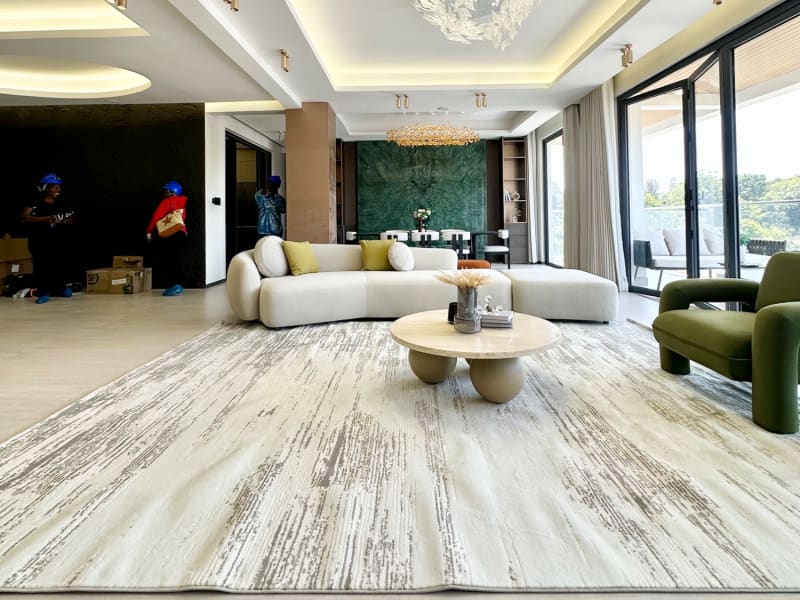
Westlands· Westlands,Nairobi.
an exclusive, luxury residential development located on Brookside Gardens Drive in Westlands, Nairobi.
Where luxury meets comfort.

Kilimani· Menelik Road, Off Ngong Road, Kilimani, Nairobi
Modern 2 Bedroom Apartment for Sale in Kilimani
Modern urban living with strong investment potential in Kilimani

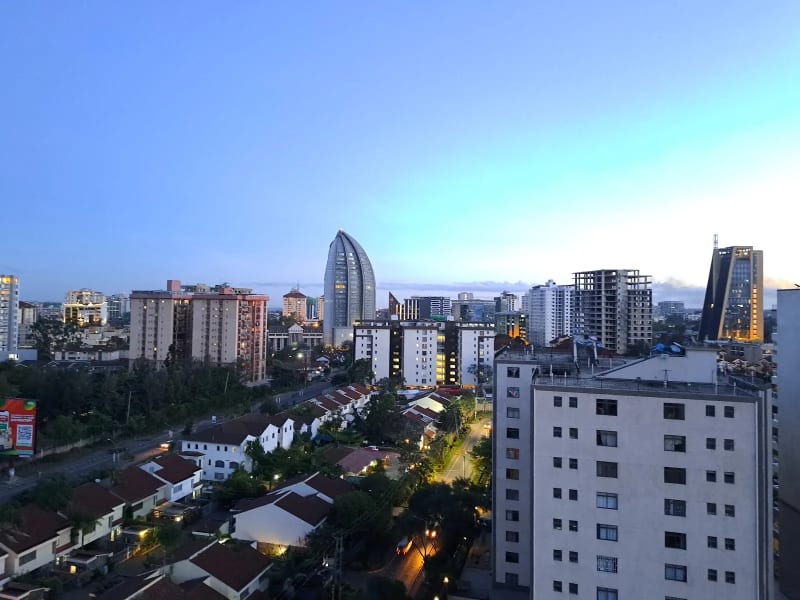
Featured Neighbourhood
Kilimani
Nairobi's vibrant apartment district with exceptional rental demand and investment potential.

Featured Neighbourhood
Runda
Prestigious Embassy Living in a Secure Garden Suburb

Featured Neighbourhood
Kitisuru
Exclusive Green Living with Luxury Homes & Privacy